
Secure your needs and future
You can save for your needs and future (property, transport, children upkeep – anything you want). Start now!
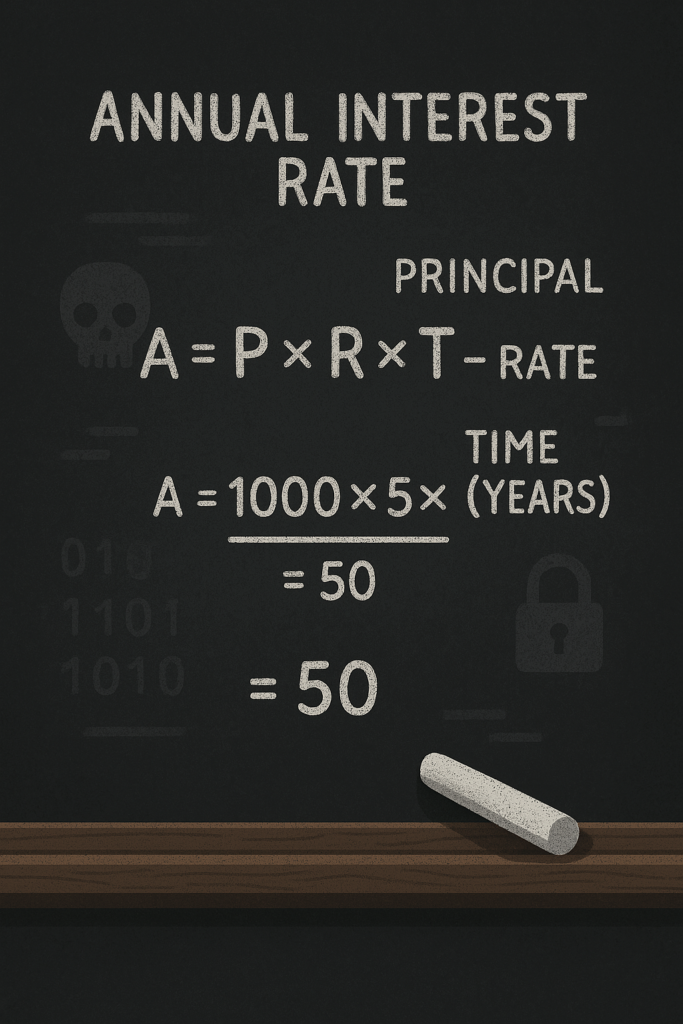
Savings Accounts
Instant Access and Fixed Term
Savings accounts allow you to earn interest and provide different levels of access to your money. Some are anytime access so you can withdraw all your money at any time. In these accounts the interest rate is variable, so the bank has a unilateral right to change it from time to time without your consent.
Others are fixed-rate accounts e.g., for 1 year or 2 years. The interest rate is fixed so the bank cannot change it. You are not allowed to withdraw any money during the relevant period. If you really need the money, (and provided the amount is less than £50,000) you can typically close the account early and then you pay a charge to the bank according to the terms of the contract, usually of 90 days of interest.
In the middle, there are flexible accounts that allow a number of withdrawals per month or per year or accounts that pay you a standard rate of interest if you make a withdrawal and a higher bonus rate of interest for every month during which you do not make any withdrawal.
Stocks and Shares
Investing in Stocks & Shares
Contrary to saving accounts, where you lend money to a bank in exchange for interest, investing means that you buy something with the hope that it will go up in value. A typical investment fund allocates money to shares issued by companies, bonds issued by companies and governments and some other types of assets such as real estate.
You can buy “units” in a fund via your bank or via another intermediary (an investment firm). You are charged fees which are usually calculated as a percentage of the money invested e.g. 0.50% per year. This is called passive investment where the fund makes decisions for you.
The performance of your investments will depend on the performance of the underlying assets (shares and bonds). For shares this depends on the profits made by large companies that are traded on stock markets (e.g., NYSE, LSE etc.).
Investment makes sense if you are able to leave your money aside for a really long period of time (at least 5 years, ideally 10 years) and if you can resist panicking and selling your investments when their value temporarily drops. You should not try to invest actively (choose which shares to buy) as a young amateur investor, as you are highly likely to make heavy losses.
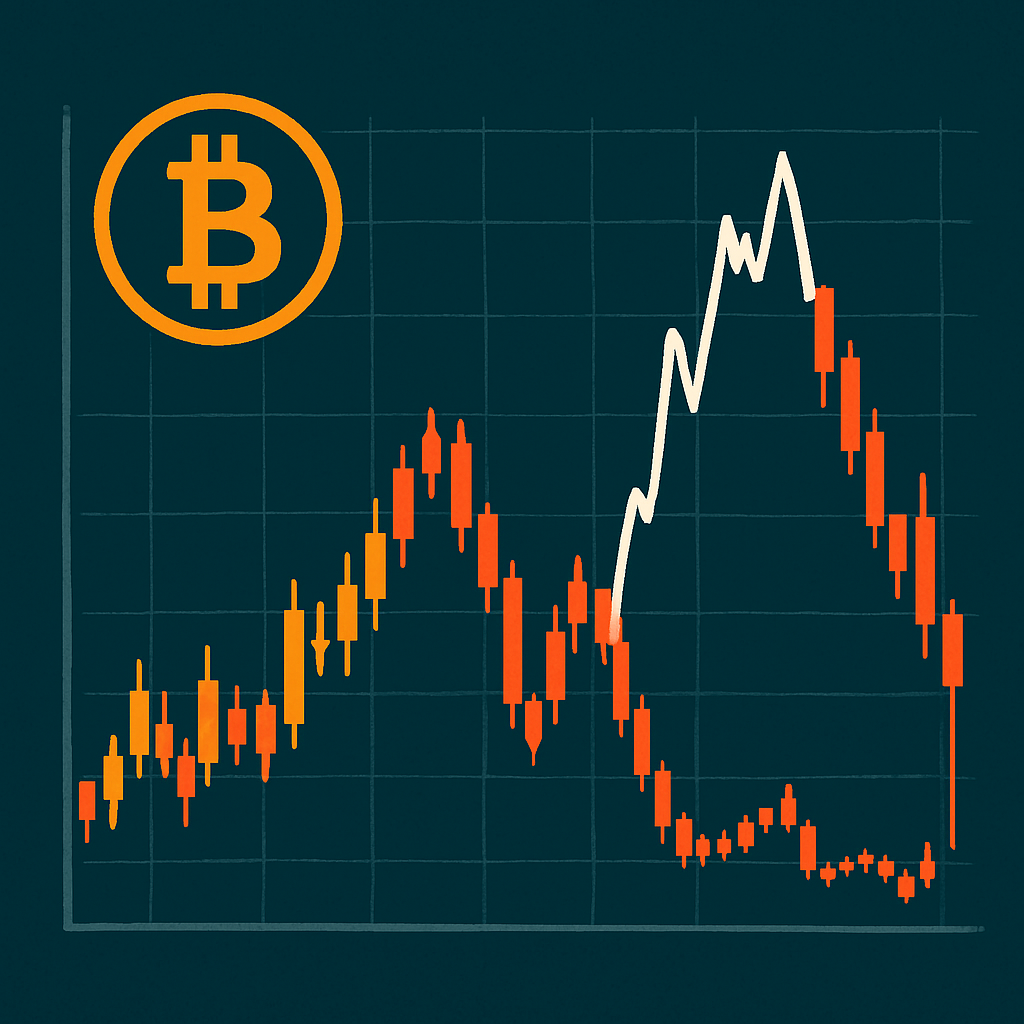
Investing in Cryptoassets
Warning: Extreme Risk
Unlike conventional investments where your money goes to purchase standard financial assets such as shares in companies and bonds issued by companies and governments, investment in cryptocurrencies means that your money goes into buying a set number of units of the relevant cryptocurrency.
This is why their market price depends purely on speculation (if people believe the value will go up or down) and is extremely volatile. There is no reason to assume that if you buy 100 units of a crypto today the value will be higher in 20 years’ time. This is more like betting in a casino than investing and you would be advised to avoid it.
Tax Free Saving
ISA
This means that you are not liable to pay any income tax on the interest you earn nor any tax on dividends or capital gains tax on the increase in the value of your investments when you sell them. The current limit to save/invest in an ISA is £20,000.
Tax Free Saving
LISA
There is a way to get some extra money from the government when you save towards buying your first home or towards retirement (once you hit 60). This is called a Lifetime Individual Savings Account (LISA).
You can have a cash LISA, or a stocks and shares LISA or both. You can save/invest up to £4,000 each tax year and you get a 25% government bonus (up to £1,000). The £4,000 counts towards your total £20,000 annual ISA limit.